

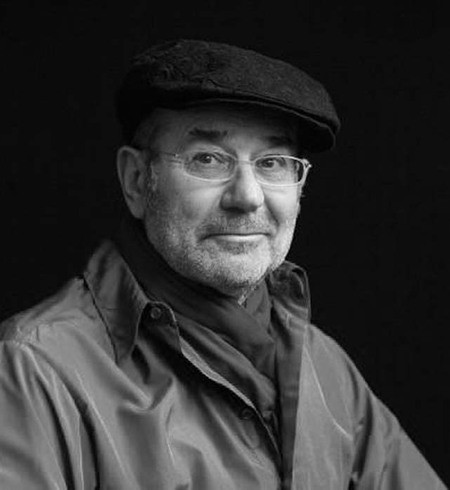
Pucci
de rossi
1947 – 2013
DESIGN OFF BALANCE, FILLED WITH HUMOR AND SUBVERSION
Born in Verona in 1947, Pucci De Rossi began his artistic career in 1971 after training with the American sculptor H.B. Walker. He settled in Paris in the late 1970s, where he lived and worked until his death in 2013.
Initially focused on cut, assembled, and welded metal, his work later evolved toward wood and other materials, gradually developing a singular formal vocabulary nourished by Art Nouveau, Arte Povera, and certain postmodern experiments associated with the Memphis group.
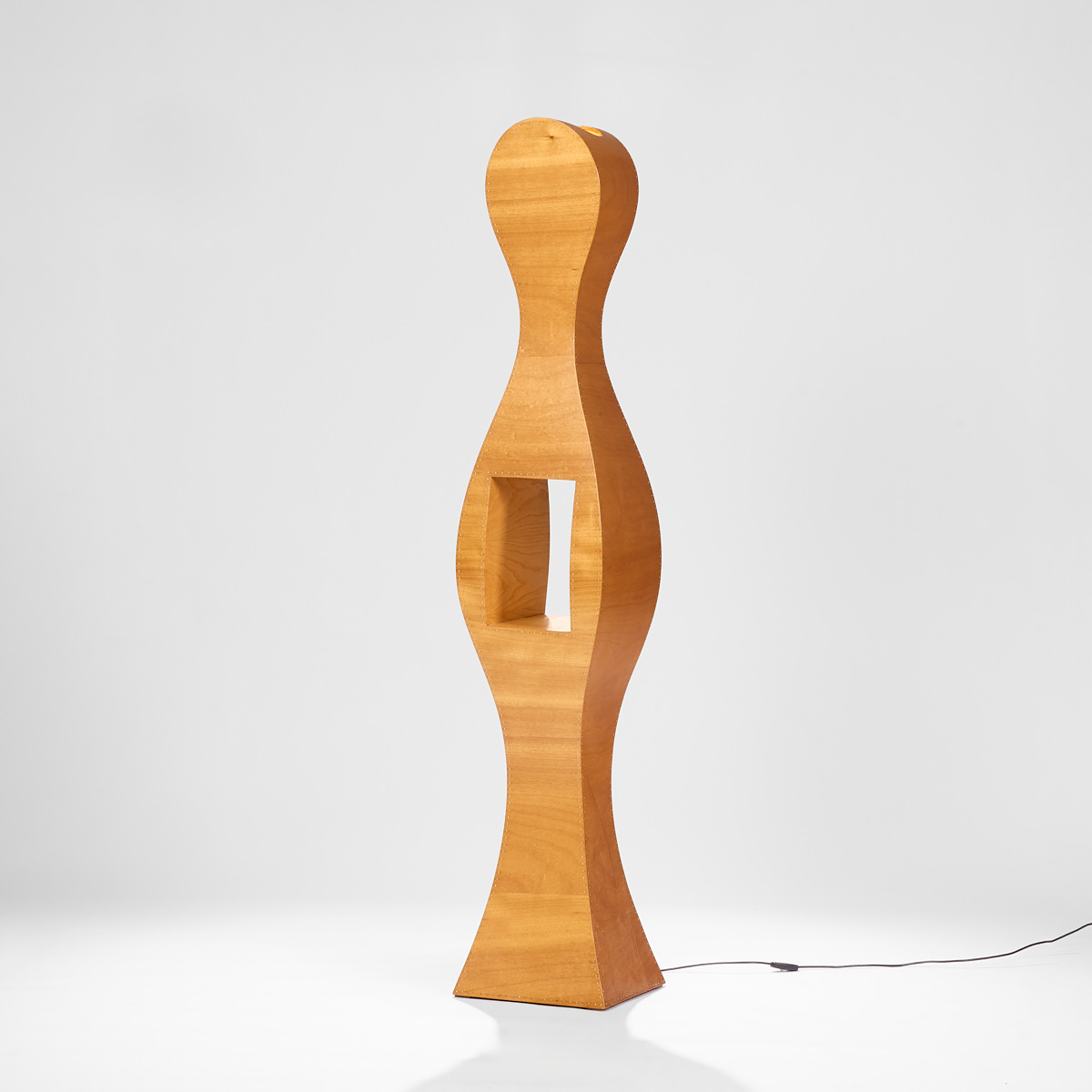
From an early stage, Pucci De Rossi created furniture and objects with strange, unbalanced, and sometimes anthropomorphic forms. Consoles, seats, and lighting pieces seem to bend, sway, or come alive within space. Behind this apparent fantasy, however, his creations remain fully functional. Through them, he subverts the codes of traditional furniture with humor, irony, and freedom.
Refusing to choose between sculpture and design, he described himself as a “fake designer.” This position allowed him to escape the debates opposing art and functionality while developing a profoundly free body of work. In his hands, furniture became a field of experimentation where materials, forms, and volumes constantly interact with the body.
This anthropomorphic dimension runs throughout much of his work. Structures evoke silhouettes, limbs, or organic fragments. Metal appears supple, wood almost alive. Each piece seems to possess its own presence, somewhere between mockery and sculptural tension.
From the 1990s onward, his work gradually incorporated a more attentive reflection on certain social realities. Without ever adopting a militant or theoretical stance, Pucci De Rossi continued to enrich his work through a deeply Italian sensibility, combining formal refinement, theatricality, and a taste for displacement and irony.
Available pieces
Focus
Sold pieces