Snake, 1991 - Raf Simons

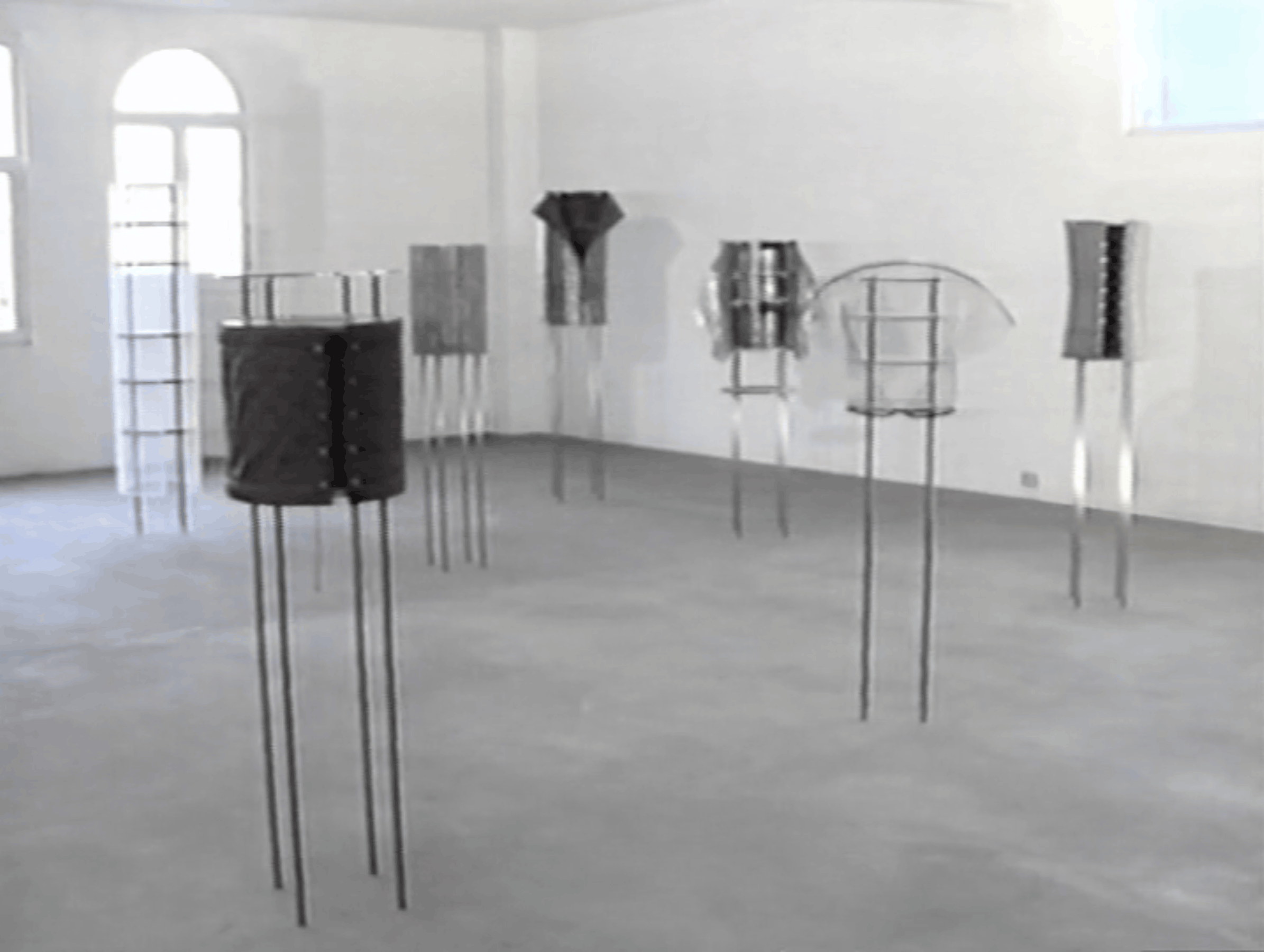
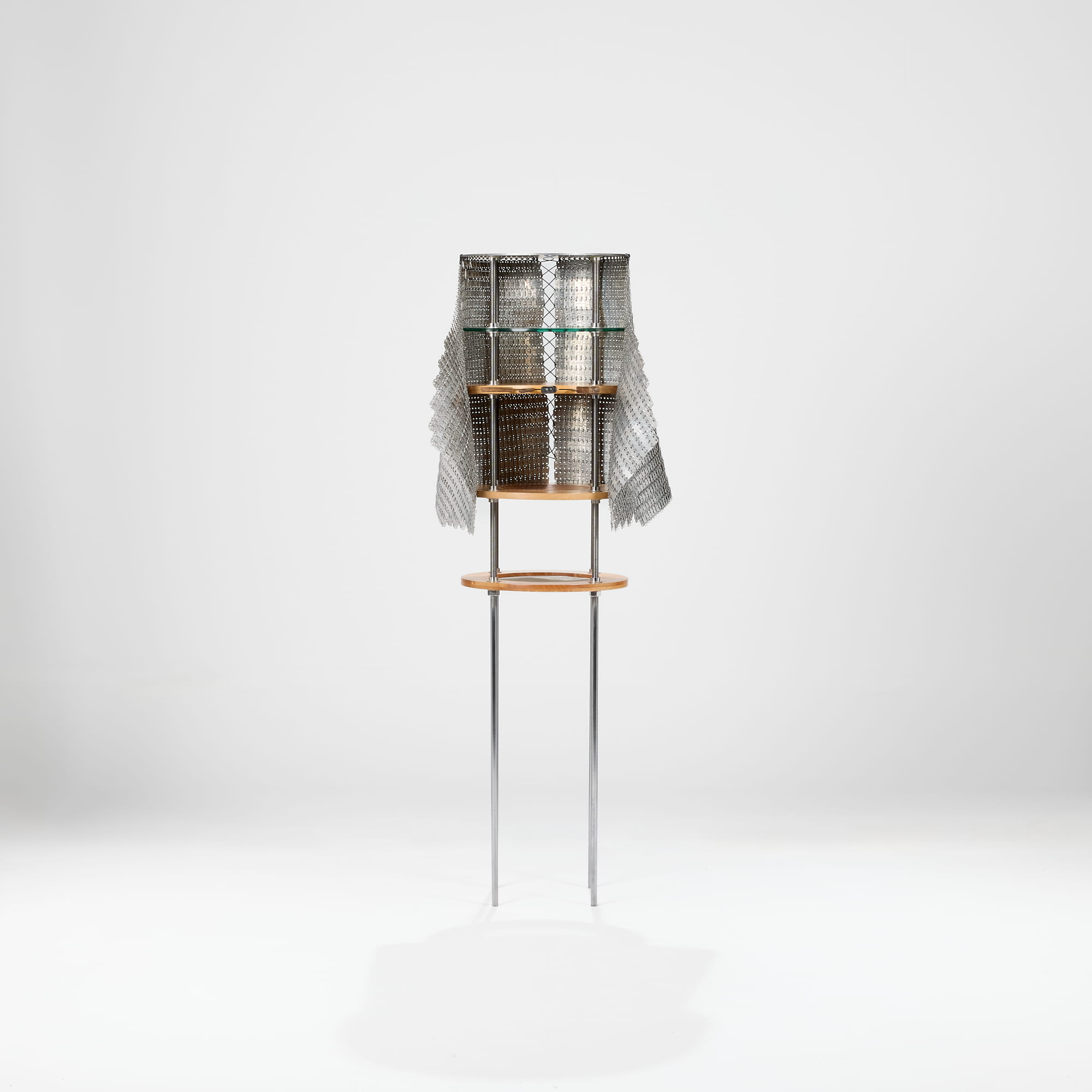
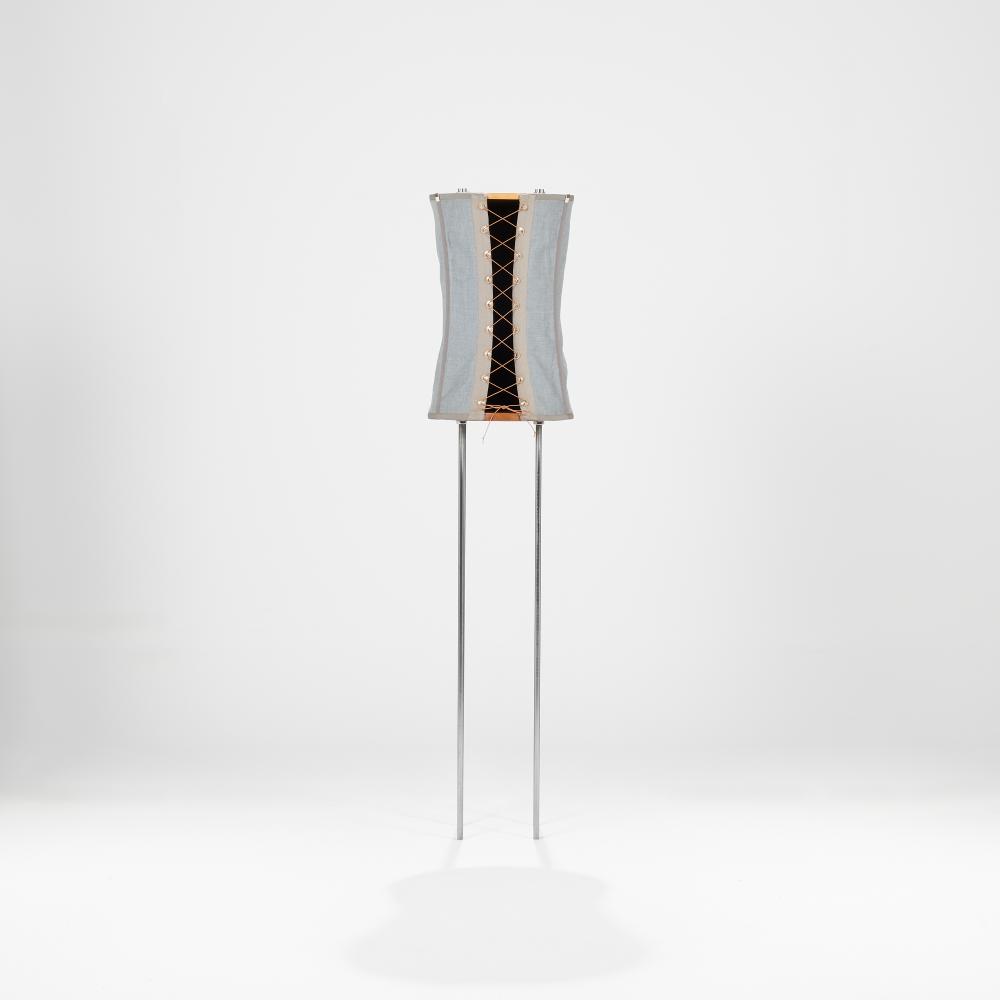
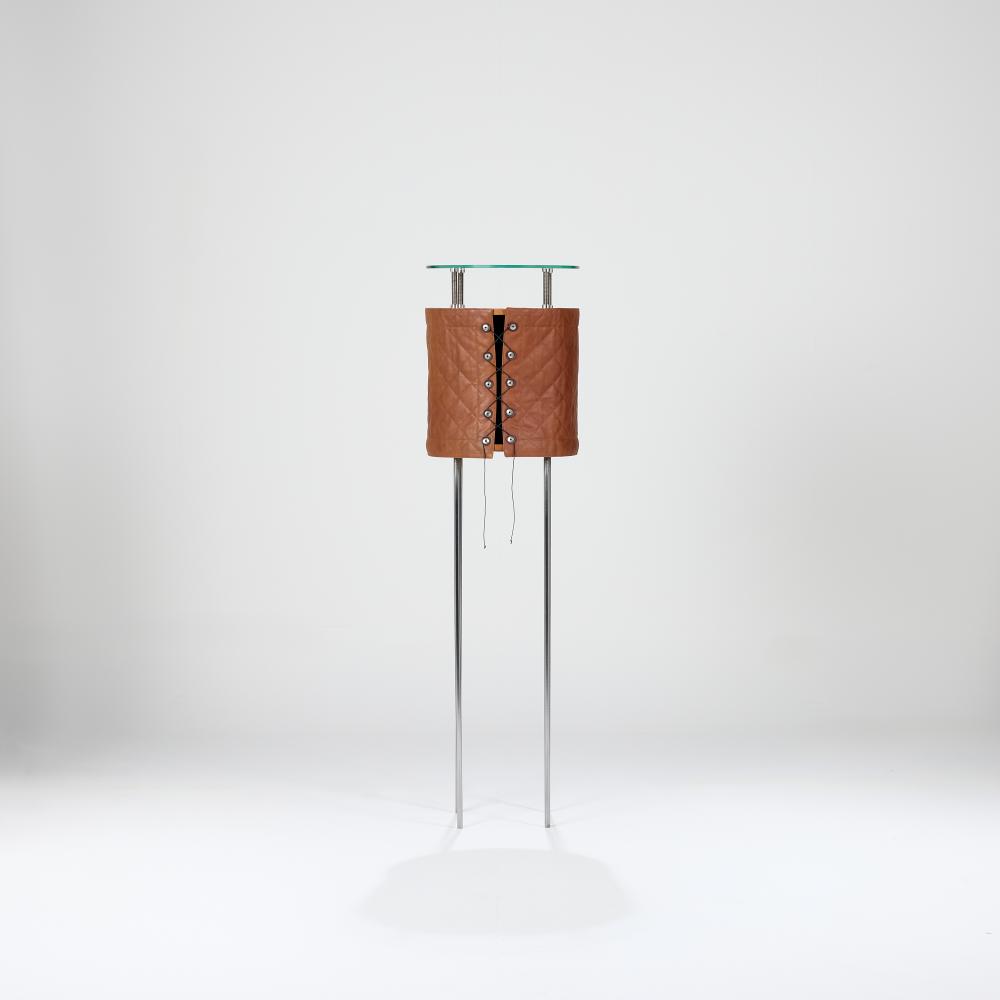
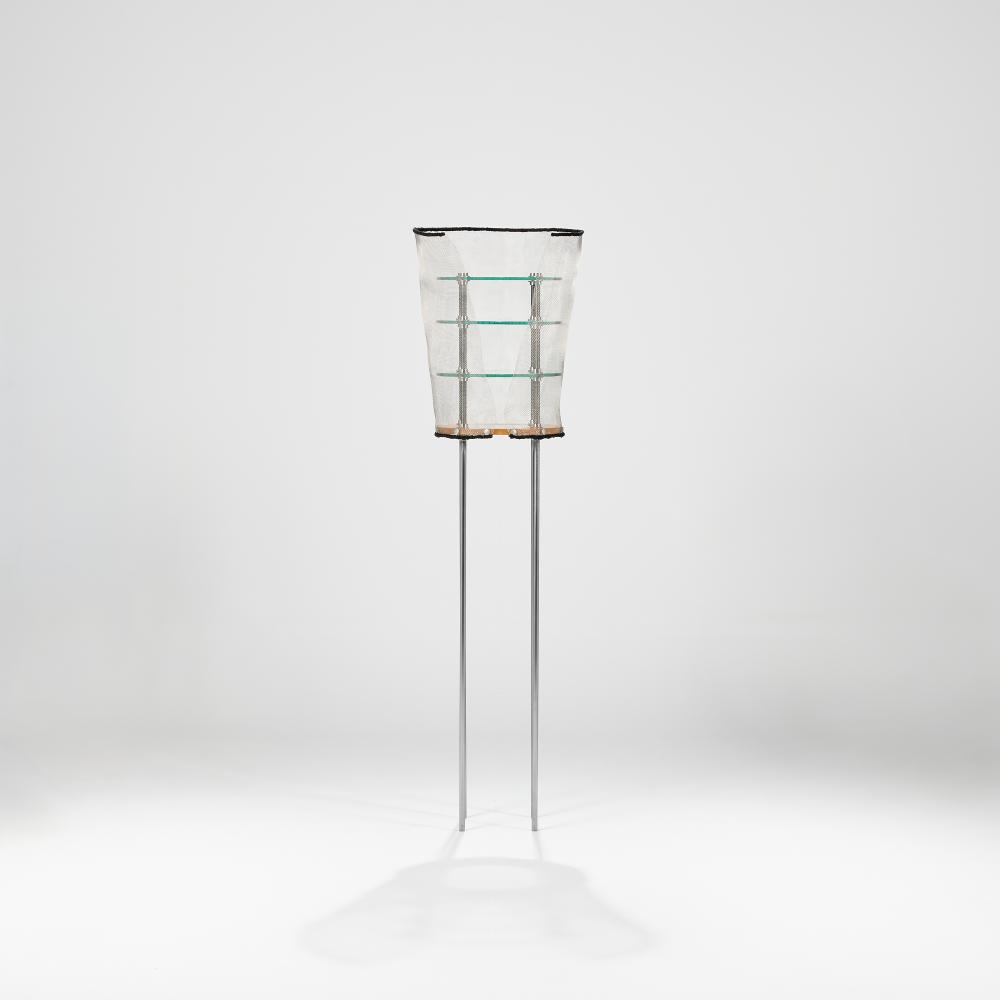
Corpo, Raf Simons’s graduation project, created in 1991 at SHIVKV in Genk, Belgium, consists of seven cabinets, each given a name, much like the individual pieces in a fashion collection. Five of these original pieces are presented by Pulp Galerie.

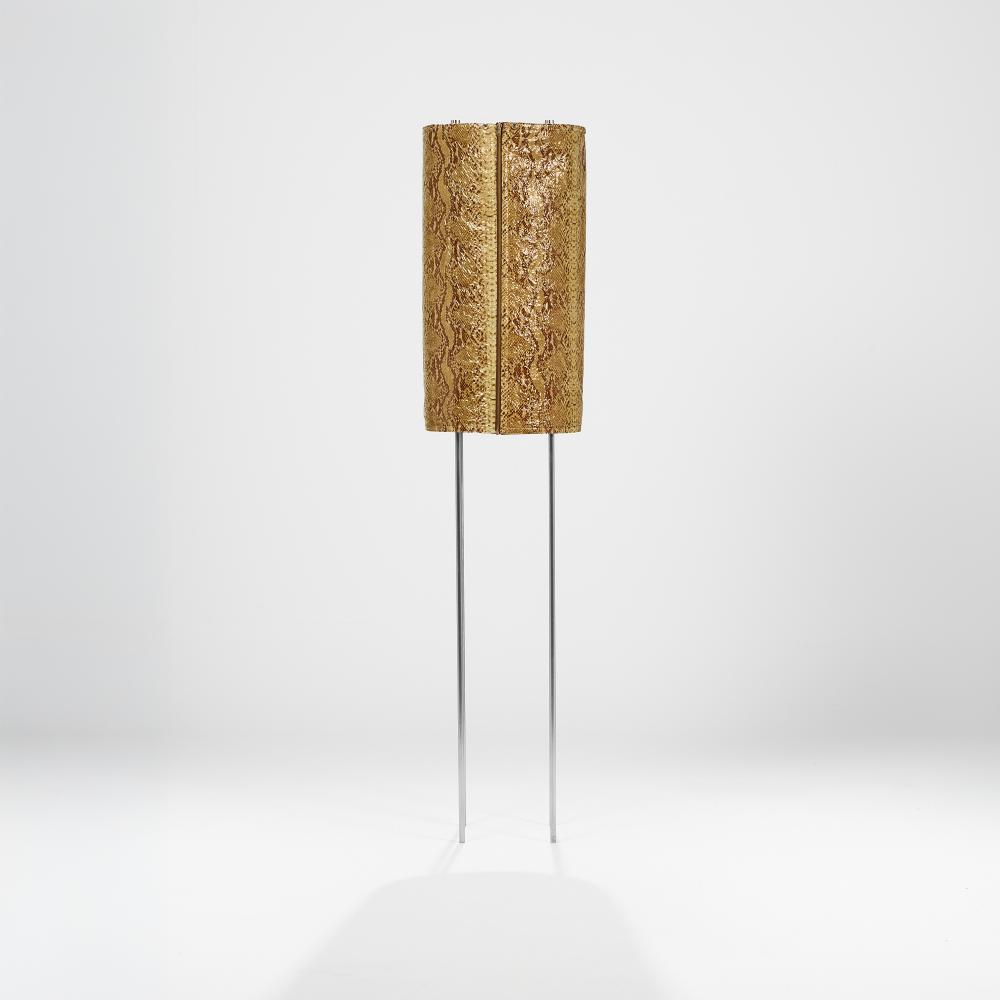
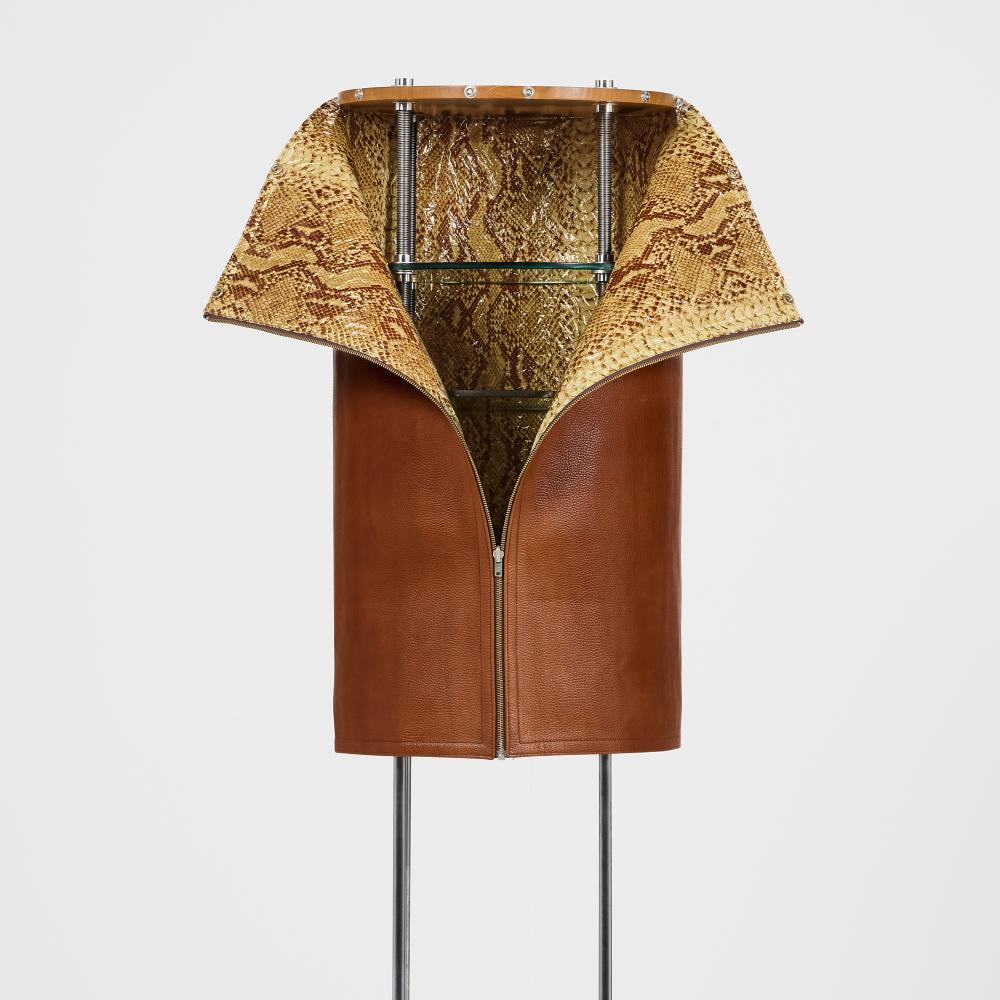
Like the other pieces in the Corpo series, Snake explores the relationships between the body, its outer covering and the construction of identity. The cabinet is distinguished by its slender, cylindrical silhouette, with its entire structure clad in a supple leather covering. This conceals its contents and transforms the piece into an almost anthropomorphic form, evoking an upright body wrapped in a garment.

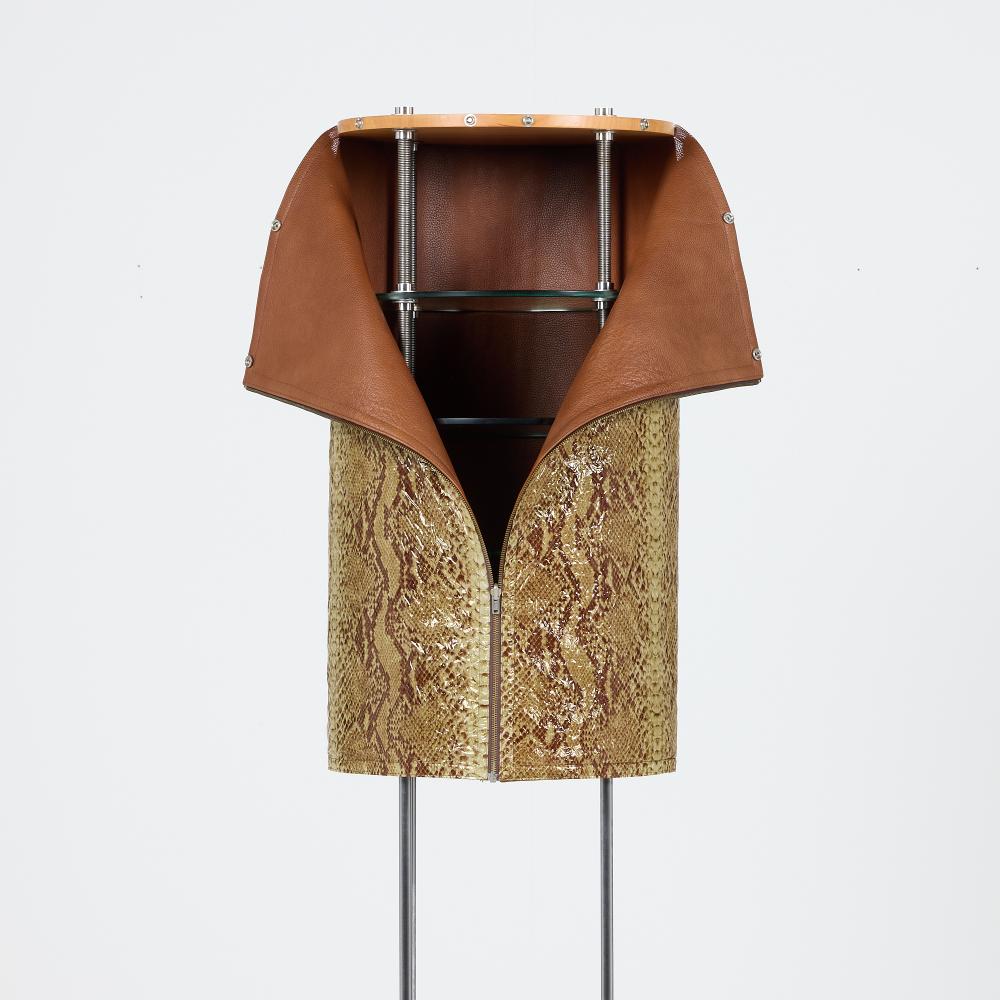
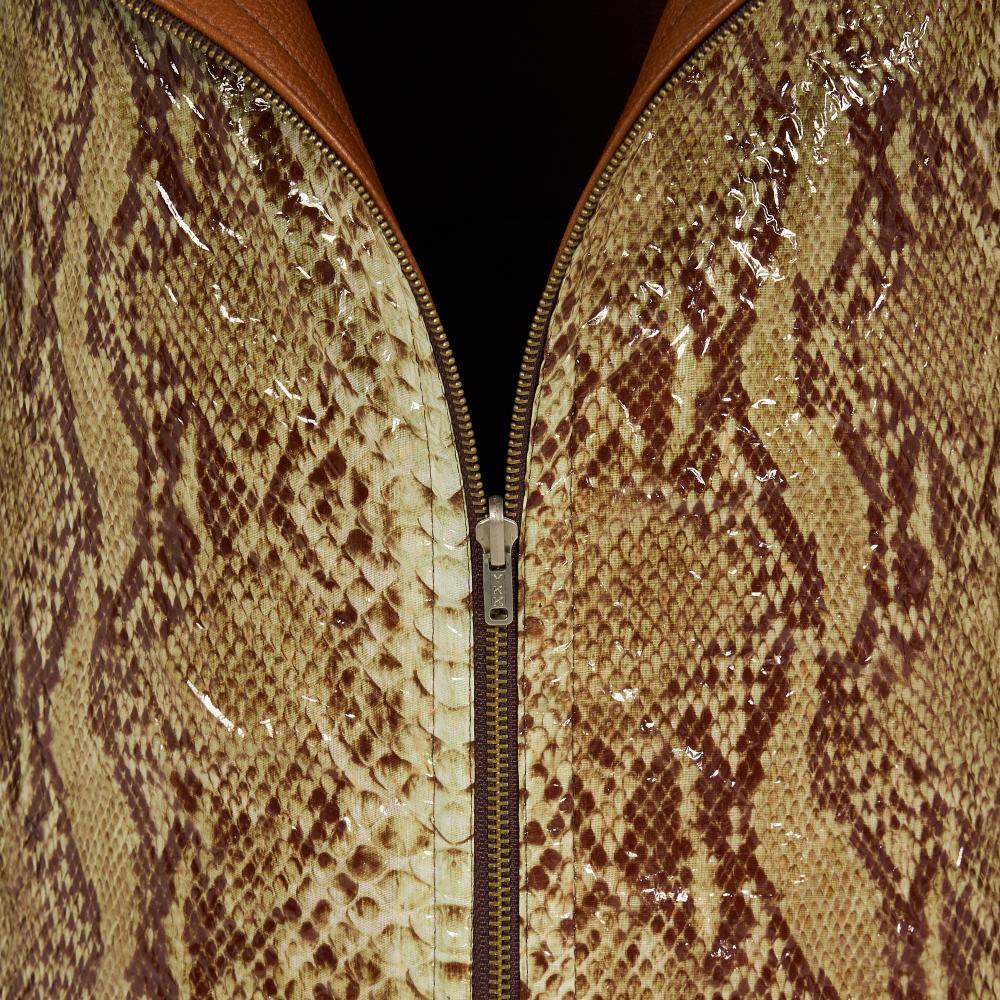
What makes Snake distinctive is its reversible covering, which features two radically different finishes. On one side, smooth, warm brown leather gives the piece a restrained and elegant appearance. On the other, a synthetic material printed with a snake-skin pattern introduces a wilder, more expressive dimension. This duality contrasts two visual registers: leather, associated with a certain classicism, and snake skin, which evokes animality, metamorphosis and instinct. The cabinet can thus change its appearance simply by turning its covering inside out, as though it were able to adopt a new identity.

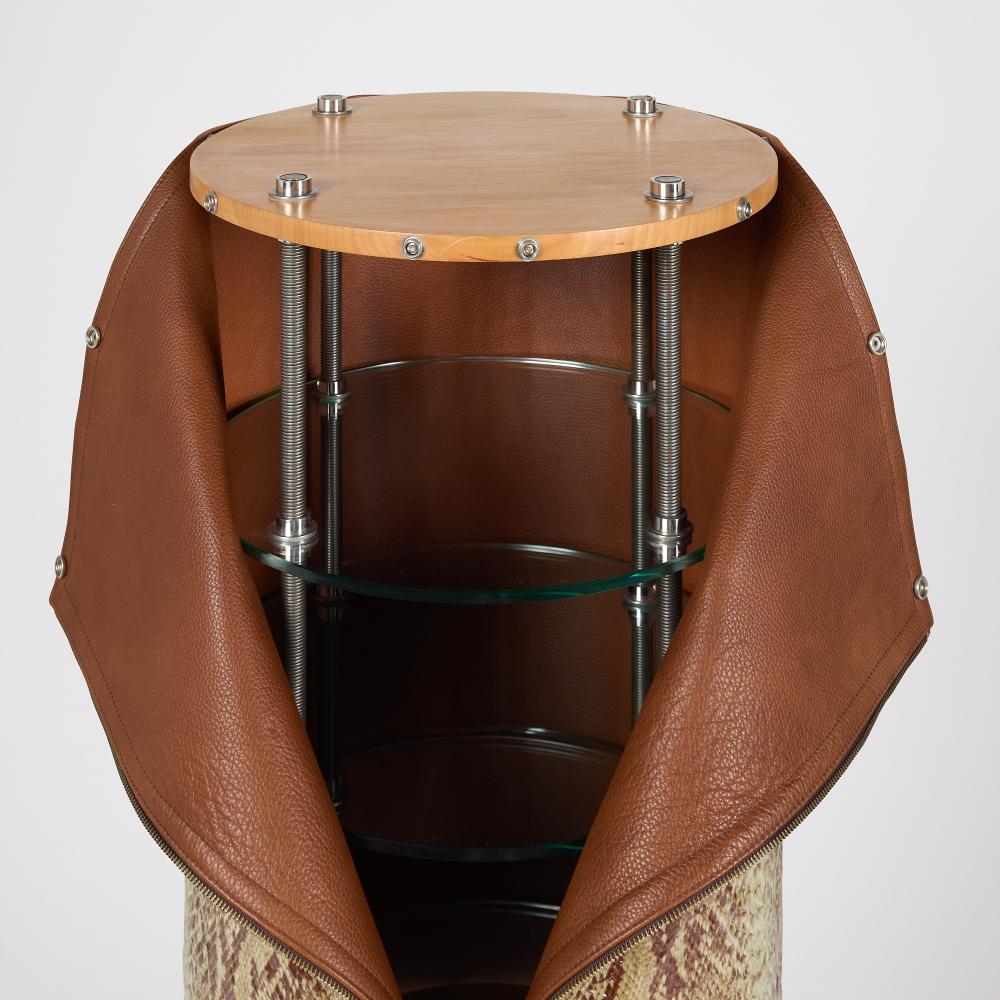
The vertical zipper, positioned at the centre of each side, plays an essential role in the design. It is not merely a functional device providing access to the interior; it also becomes a graphic line that structures the surface and recalls the fastenings of garments. Opening it suggests an almost intimate gesture: that of unfastening a garment to discover what it conceals. The cabinet appears to be undressed, gradually revealing its contents. This sensual and theatrical dimension transforms opening the piece into an experience in its own right, in which the gesture matters as much as the function.

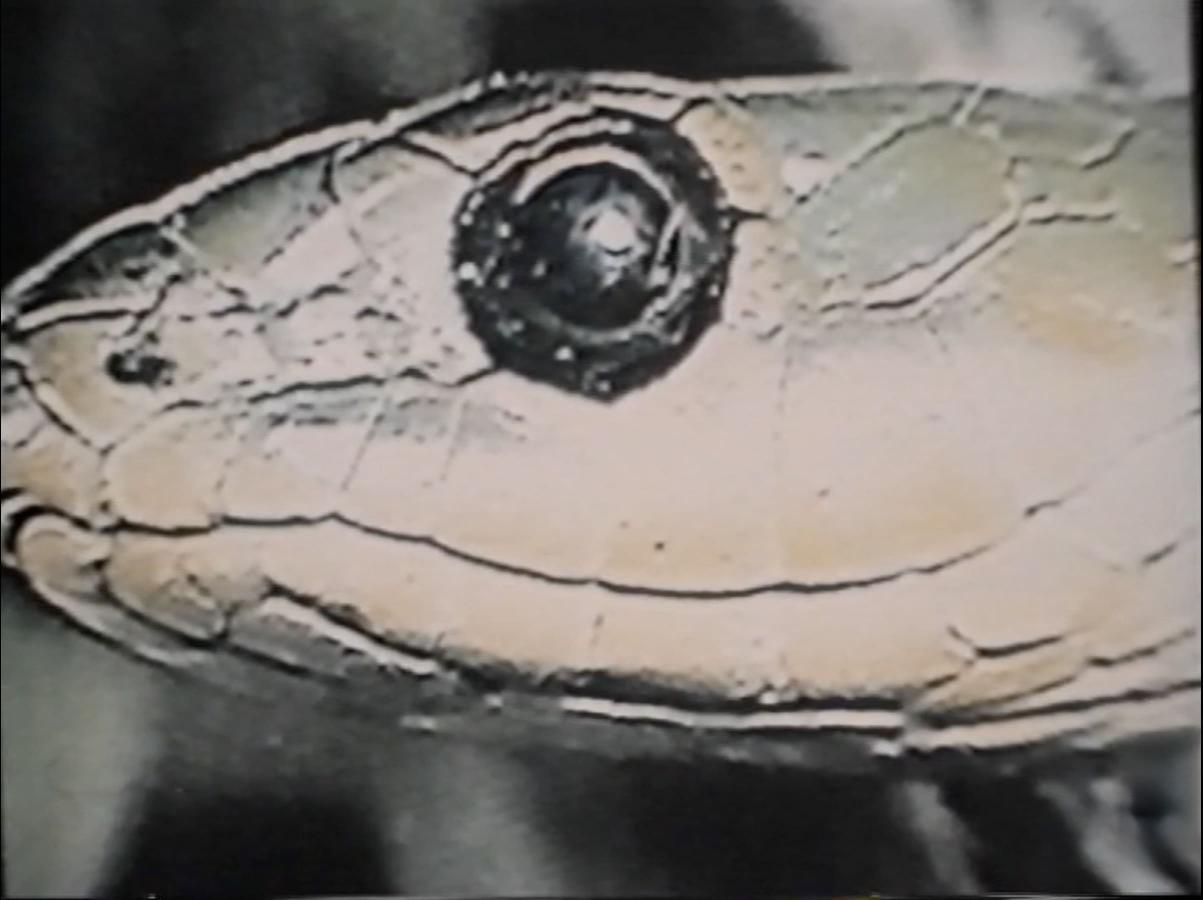
The choice of leather takes on a particular significance here. Although the material recalls Male Accessory, another piece in the series, its symbolic function in Snake appears to be different. The covering does not refer only to the world of accessories or clothing; it evokes the skin itself, the body’s first barrier, which protects it while separating it from the outside world. The snake-skin pattern reinforces this interpretation by referring not only to animal skin but also to the ideas of shedding and transformation. The covering thus becomes more than a decorative finish: it plays a fundamental role in defining the object’s identity.

This approach also invites us to consider clothing as a second skin. Beyond its protective function, clothing helps shape our appearance, express our personality and construct the image we wish to project. It can serve simultaneously as protection, self-expression and a means of concealing certain aspects of our identity. By transposing this idea into furniture, Raf Simons blurs the boundaries between the body, clothing and the object, giving the cabinet an almost human presence.

Finally, despite its relatively simple silhouette and carefully finished exterior, Snake retains a dark and mysterious quality. Its interior remains entirely concealed beneath the covering, hidden from view until the zipper is opened. The contrast between the meticulously crafted exterior and the concealed interior creates a tension between what is visible and what remains secret.

Through Snake, Raf Simons thus conceives of furniture as a body in its own right: a body that can be dressed, protected, transformed and revealed. Balancing sensuality, concealment and metamorphosis, the piece questions how an outer covering can simultaneously protect an identity and become its most powerful expression.

Read the other focus 

Raf Simons’ Corpo Project, 1991

Butcher, 1991

Corset, 1991

Male Accessory, 1991

Wire netting, 1991