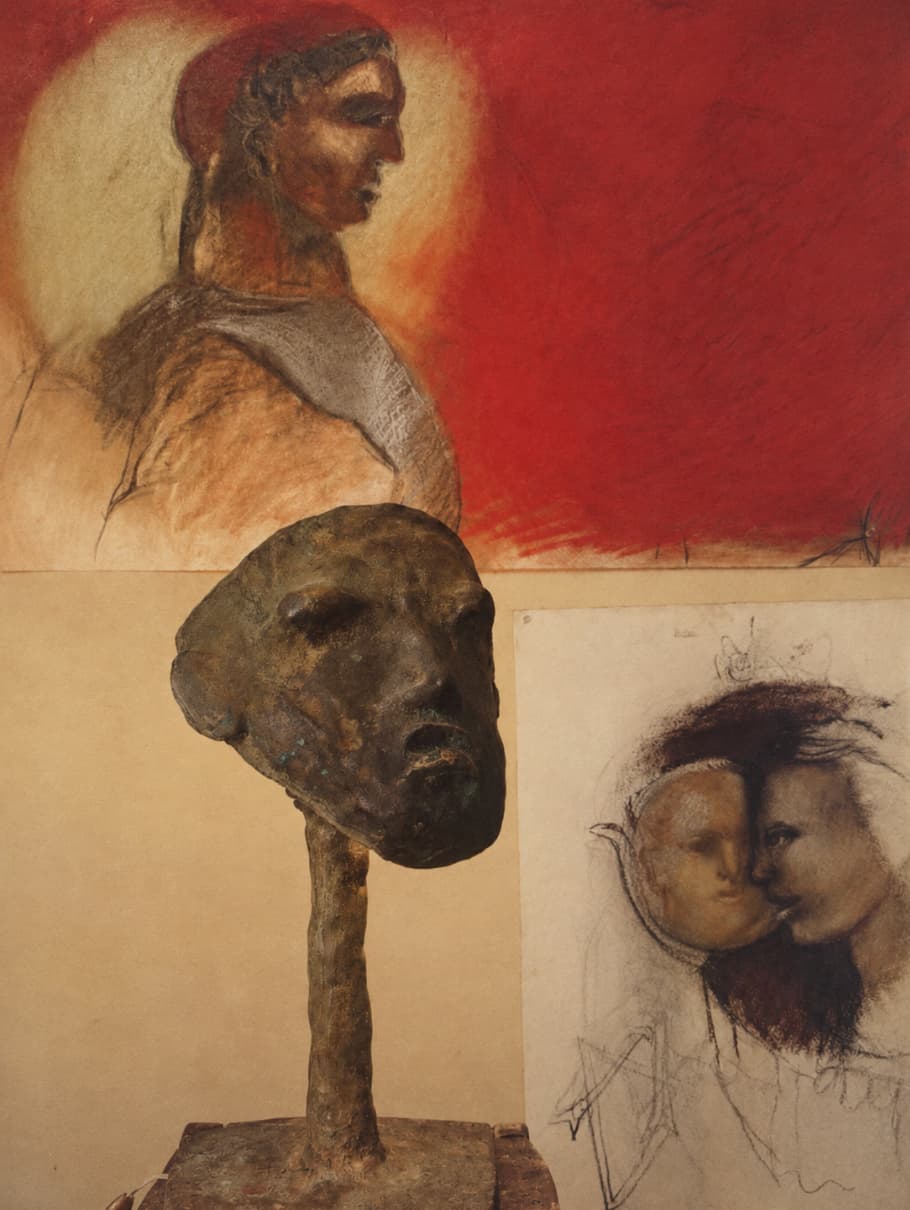
In 1978, Fabrice Emaer opened Le Palace, which quickly established itself as one of the leading venues in Parisian nightlife. Housed in a former theatre, the club became an iconic centre of the artistic and social scene of the late 1970s, bringing together artists, fashion designers and prominent figures of the nightlife world. To transform the venue into a setting worthy of his ambitions, Fabrice Emaer enlisted Gérard Garouste, whom he had met through Andrée Putman. The painter conceived a theatrical environment inspired by Baroque and historical references, in which the decoration played a central role in shaping the venue’s identity.
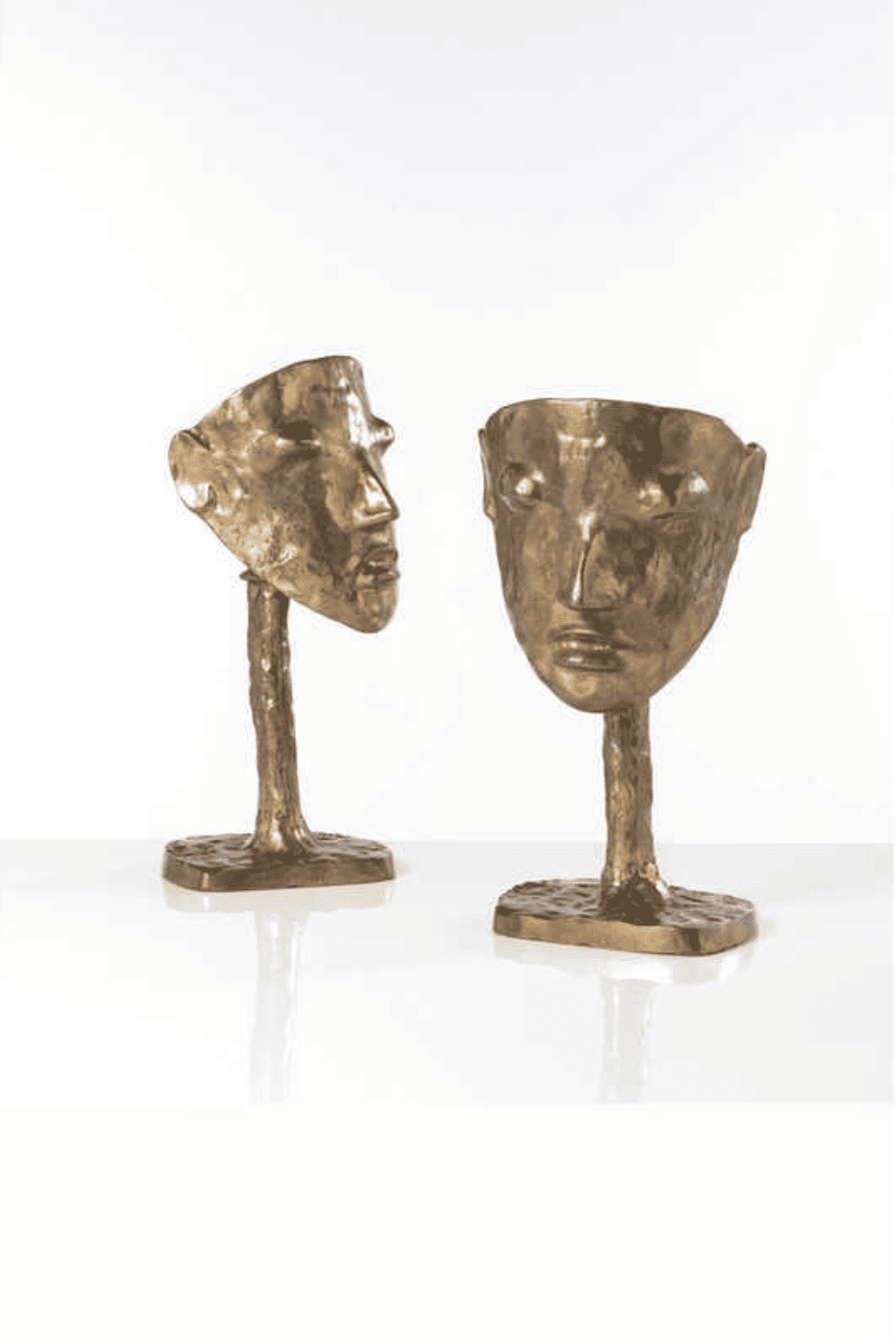
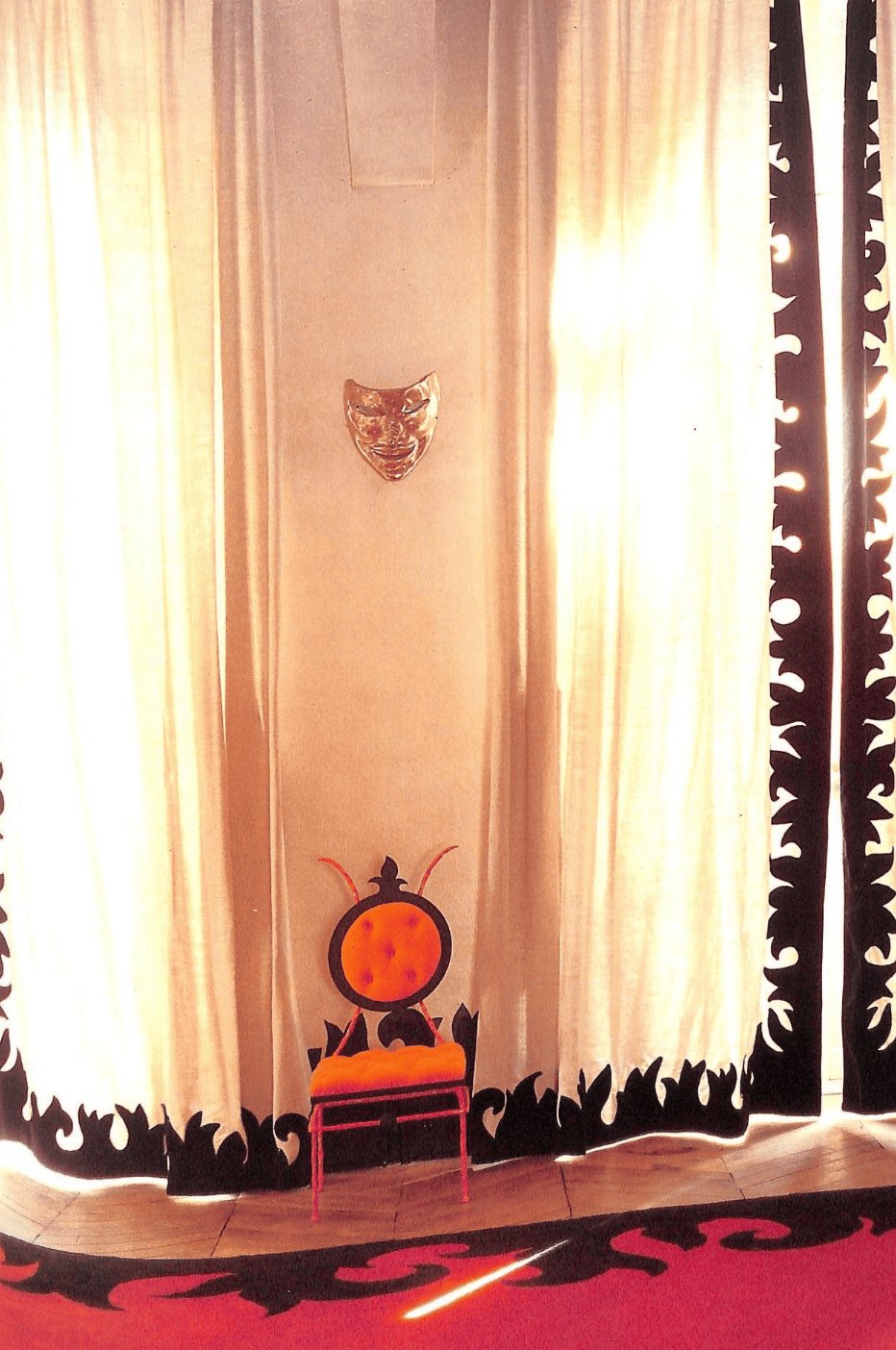
In 1980, Fabrice Emaer also commissioned Gérard Garouste to decorate Le Privilège, a private restaurant-club located in the basement of Le Palace. More intimate in scale, the space extended the venue’s spectacular spirit while cultivating a more exclusive atmosphere. Gérard Garouste created frescoes and painted elements that gave the interior a narrative, almost theatrical dimension. To design the furniture and contribute to the interior layout, he turned to his wife, Élisabeth Garouste, who was then working closely with Mattia Bonetti. This collaboration between painting, interior architecture and furniture design resulted in a cohesive environment in which every element contributed to the venue’s distinctive visual identity.
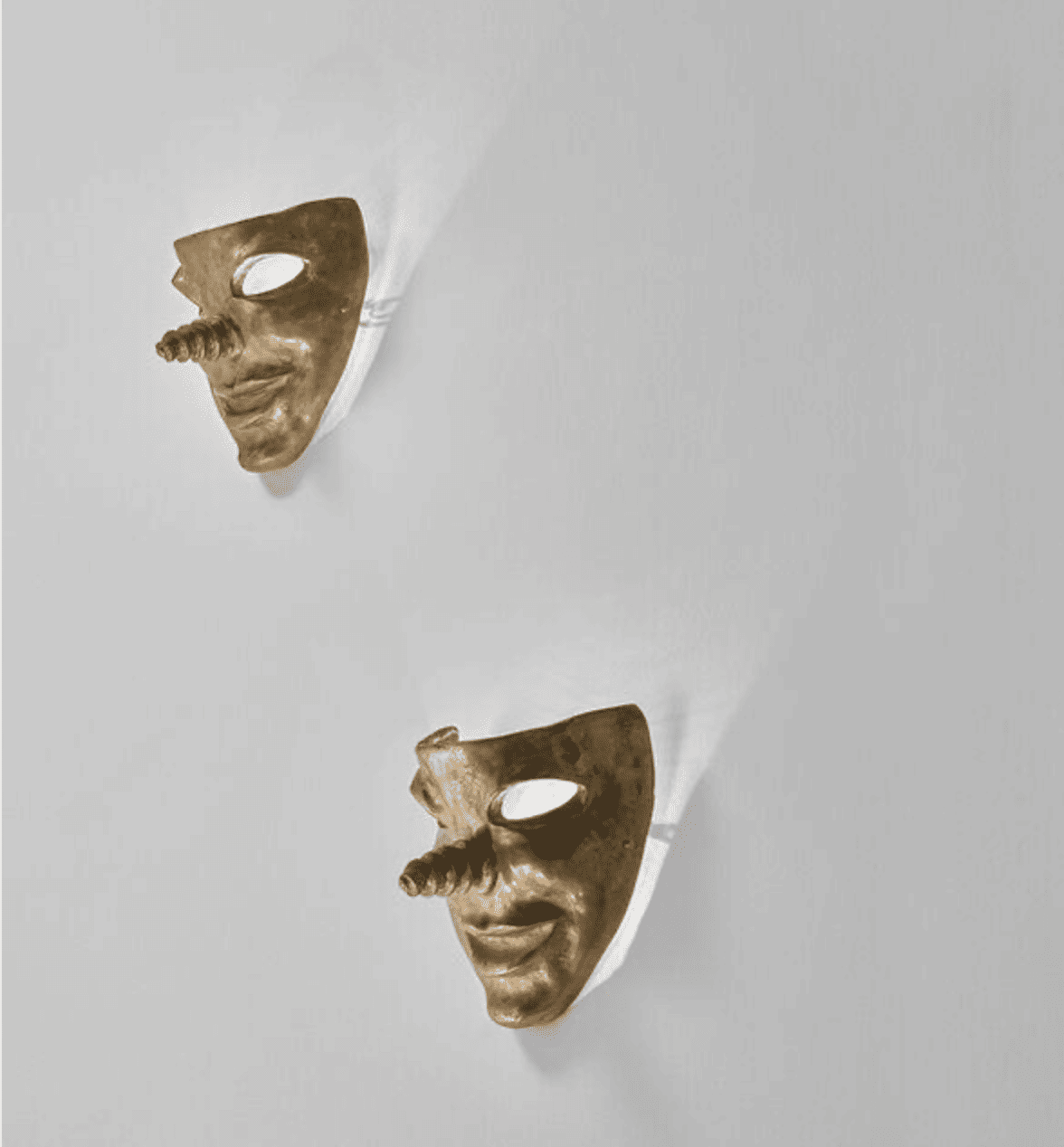
The furniture and decorative elements were distinguished by their sculptural forms and pronounced ornamental vocabulary. Masks, expressive volumes and references to historical decorative arts contributed to the creation of a singular universe in which the boundaries between art, design and decoration began to dissolve. Some of the wall lights designed by Mattia Bonetti for the staircase connecting Le Privilège to Le Palace exemplify this formal exploration, with mask motifs lending the luminaires an almost anthropomorphic presence. The seating, meanwhile, reflected an aesthetic with Baroque influences, favouring expressive silhouettes and contrasts of form over functional restraint.
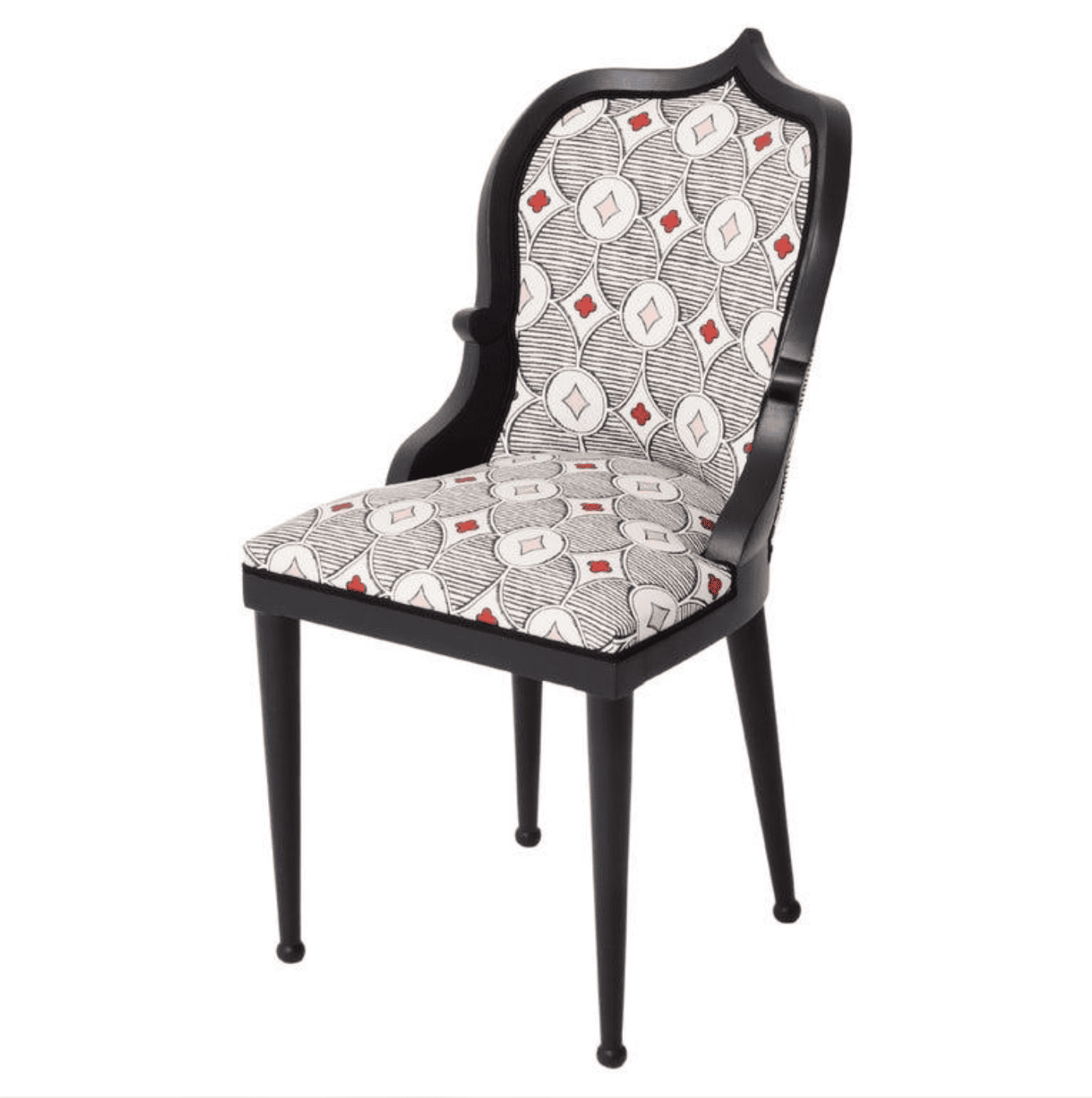
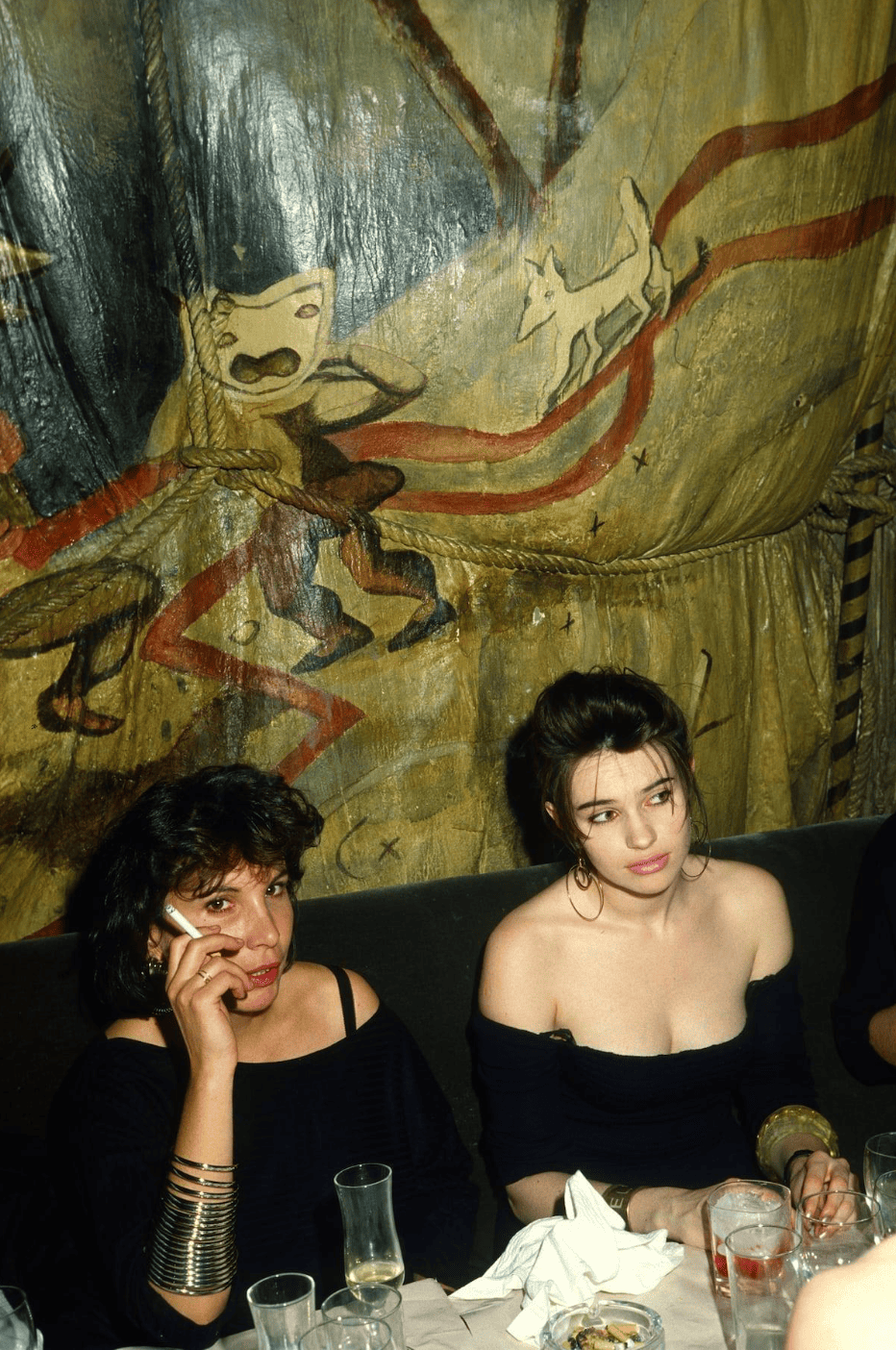
Beyond their spectacular appearance, these interiors reflected a desire to revive ornament and the decorative arts at a time when design was largely shaped by functionalism, clean lines and industrialisation. In opposition to this prevailing trend, Élisabeth Garouste and Mattia Bonetti prioritised imagination, material experimentation and craftsmanship. Wrought or hammered iron, plaster, terracotta and textiles enabled them to create objects that sometimes seemed to belong to another era while retaining a distinctly modern sensibility. The interiors of Le Privilège thus became a decisive testing ground for their shared visual language, founded on the blending of references, the reinterpretation of historical forms and creative freedom.
This approach, at once Baroque, primitive and nonconformist, would come to define what became known as their “style barbare” (barbarian style). Far from simply reproducing historical styles, their work offered a free reinterpretation of them, at times strange but always expressive. Their creations blurred the boundaries between furniture, sculpture and the decorative arts: objects were no longer conceived solely in terms of their function, but also for their presence, materiality and ability to transform a space. The success of their work at Le Privilège encouraged them to pursue their collaboration and present their first furniture creations at Galerie Jansen in 1981. They gradually established themselves as leading figures in the revival of French decorative arts during the 1980s.
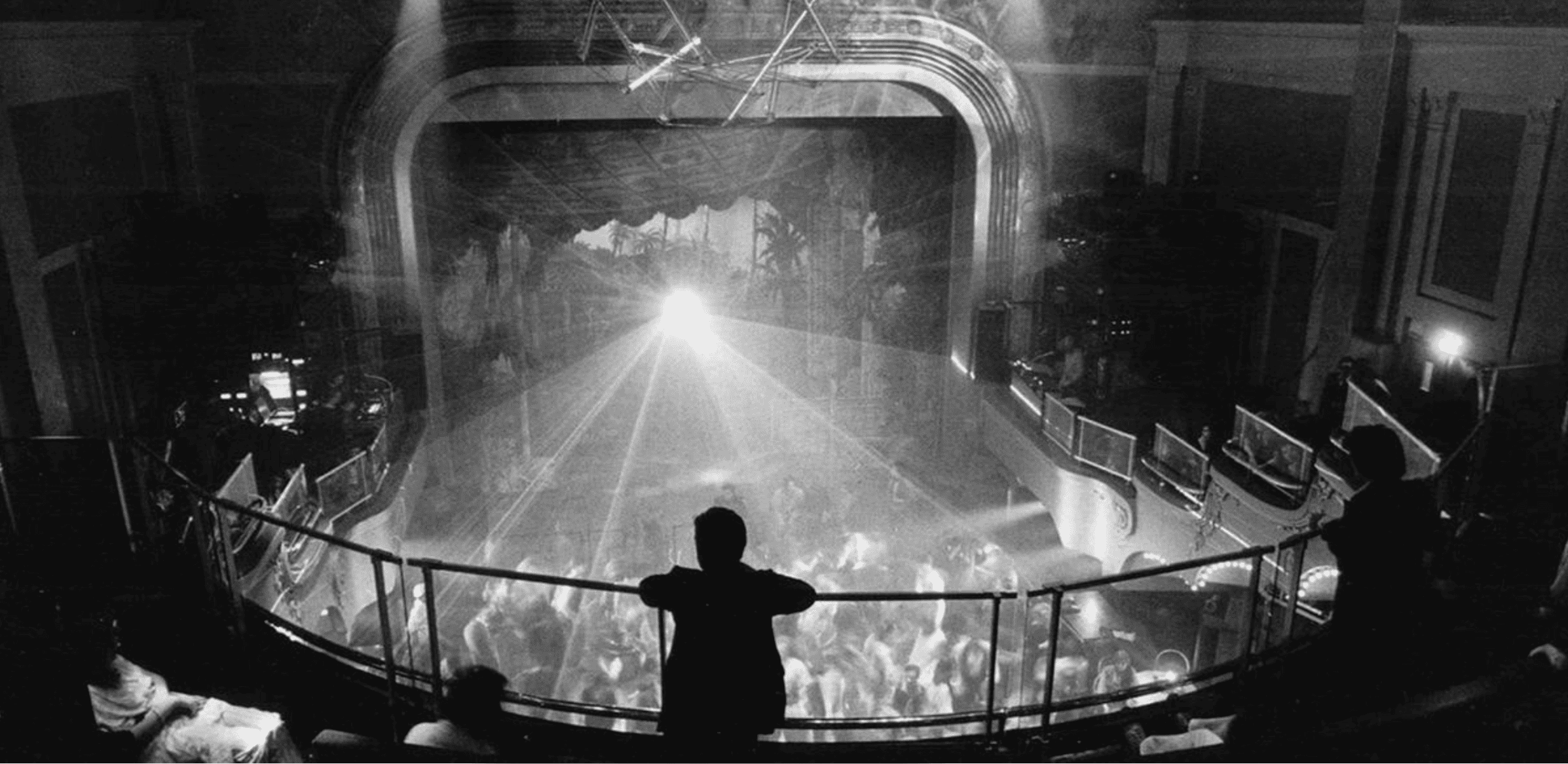
Le Palace and Le Privilège can therefore be regarded as foundational sites for this distinctive aesthetic. By bringing together Gérard Garouste’s paintings and the furniture designed by Élisabeth Garouste and Mattia Bonetti, the project transformed decoration into a fully fledged artistic language. Cosmopolitan sophistication coexisted with archaic references, refined materials engaged with almost primitive forms, and luxury was expressed less through restraint than through abundance, theatrical staging and imagination. This union of sophistication and strangeness already foreshadowed the world of the duo’s later creations, whose deliberately ornamental approach would challenge the conventions of contemporary design.