The Canovacci by Gaetano Pesce

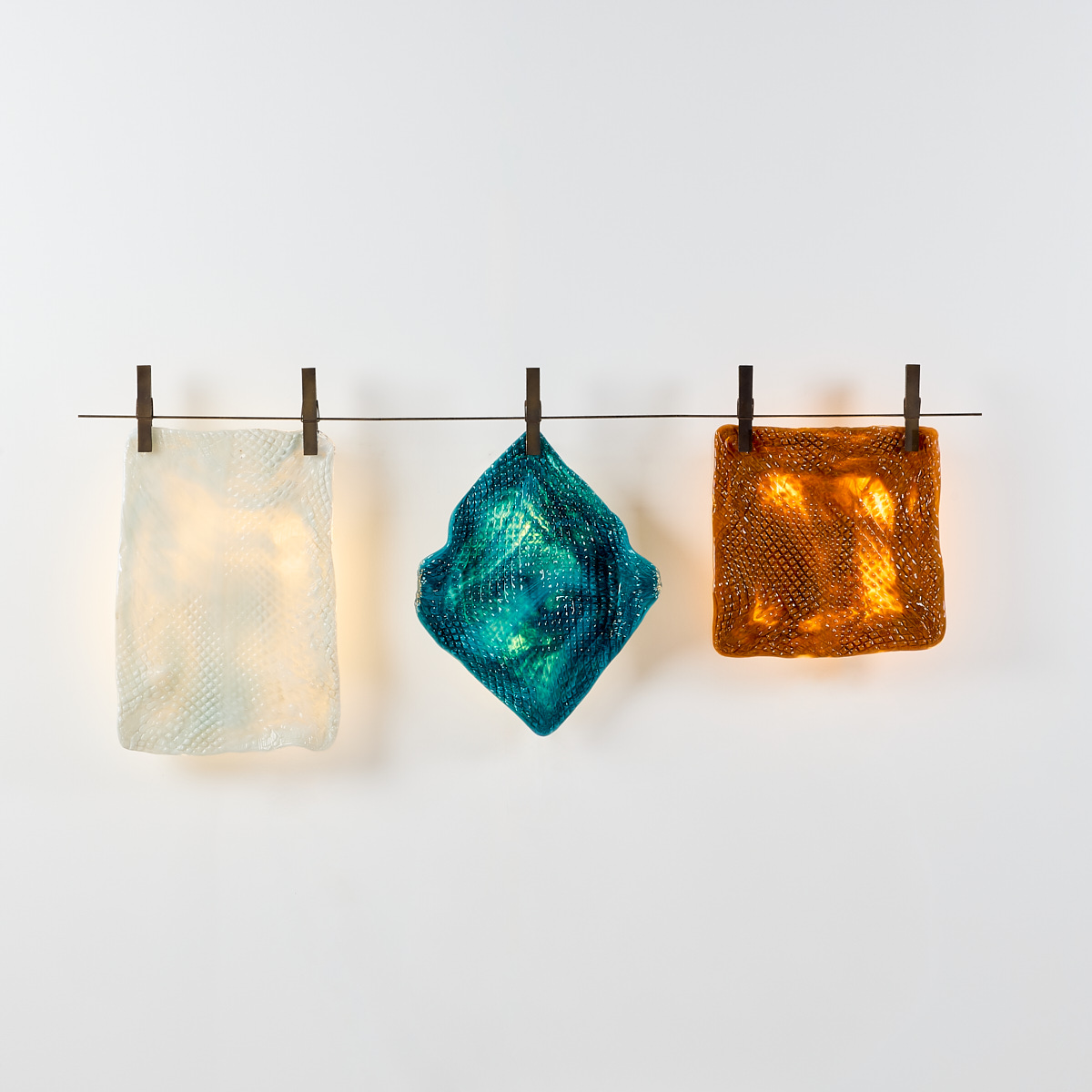
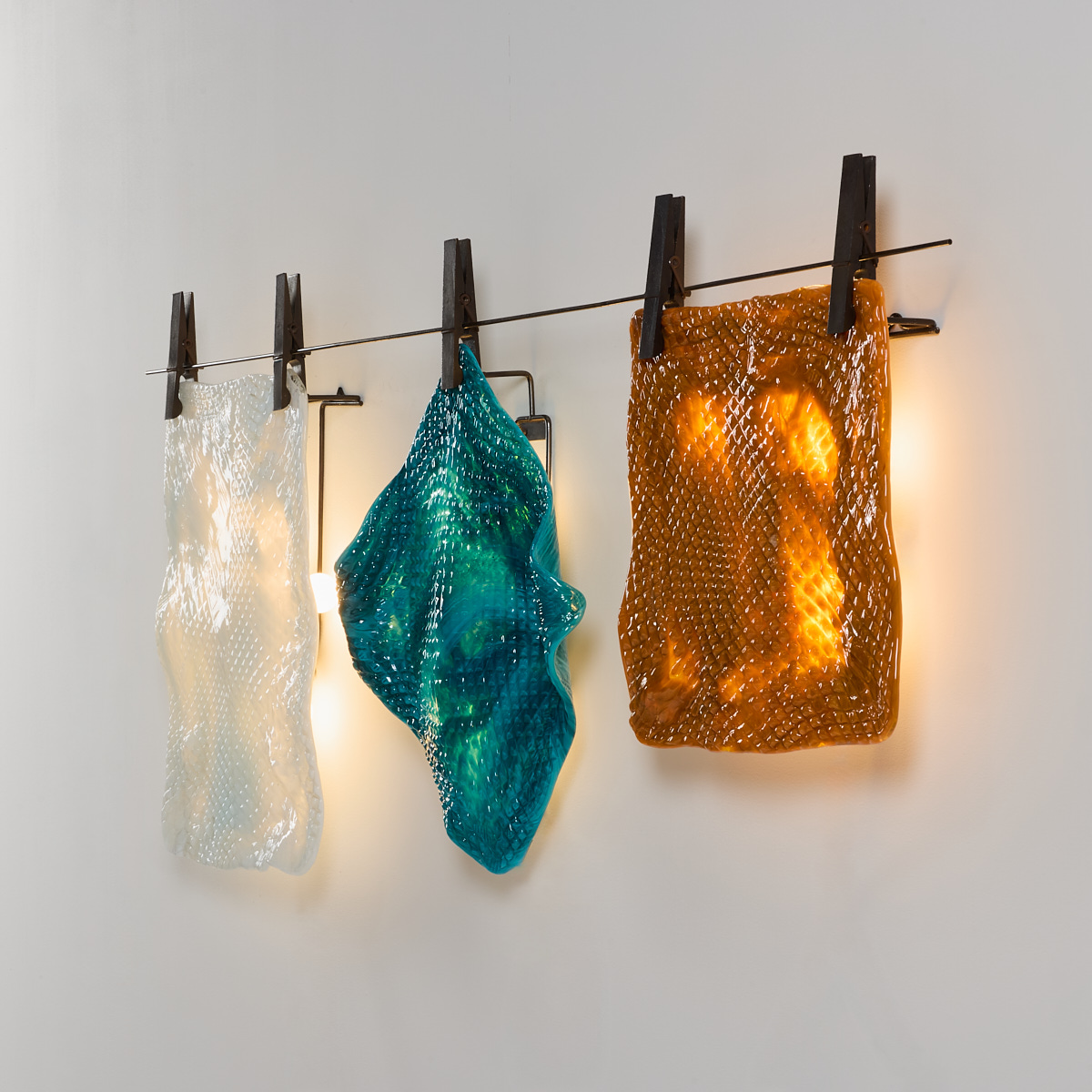
The Canovacci are a series of Murano glass wall lamp pieces designed by Gaetano Pesce in collaboration with Venini in 1981. Produced in small series, these works reflect the research the designer had been pursuing since the late 1970s around material, form, and irregularity.

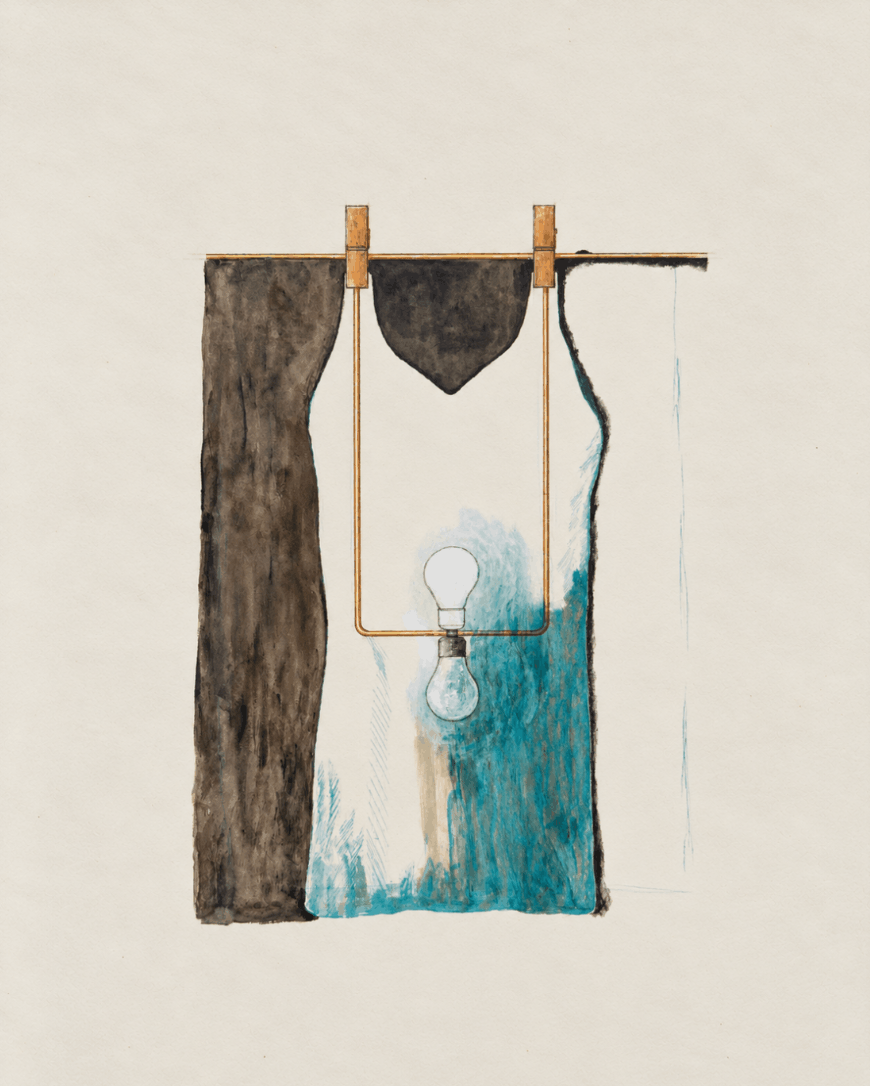
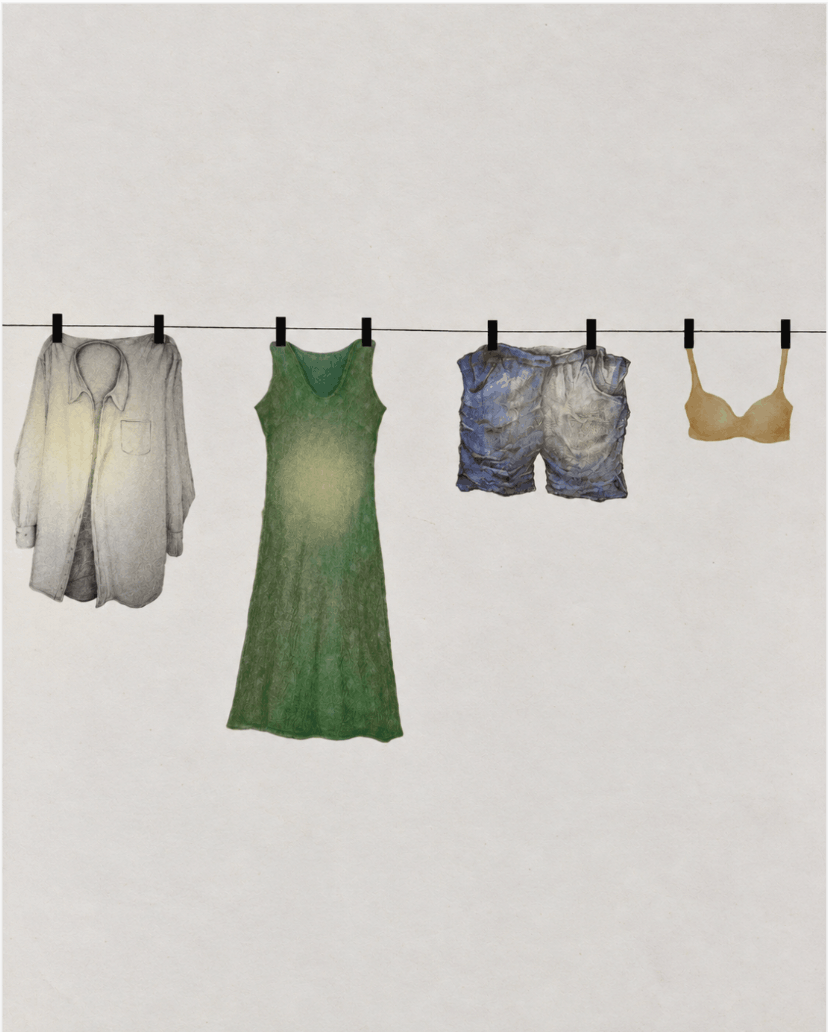
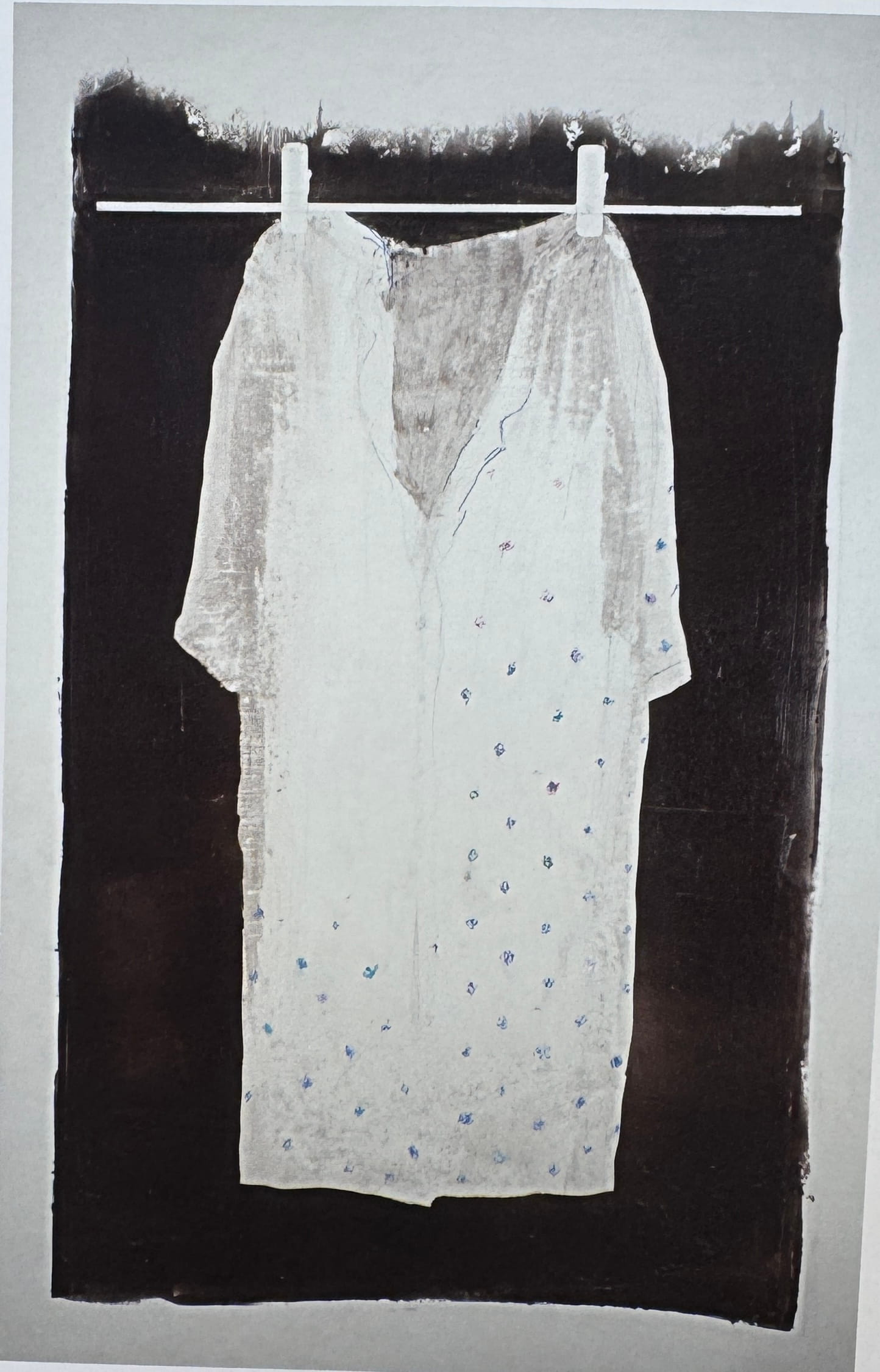
Long before the Canovacci, Pesce was interested in the representation of garments and hanging fabrics. Several preparatory drawings preserved in the artist’s archives bear witness to this exploration: fabrics, clothes, and soft forms are suspended from simple clothes pegs. These sketches already reveal his interest in a form that escapes rigidity and seems to retain the trace of a movement or gesture.

With the Canovacci, this exploration takes on a new dimension. What was unprecedented in 1981 was the transposition of these fabric-inspired forms into Murano glass. Fascinated by the island and by the possibilities offered by its glassmaking traditions, Pesce sought to push experimentation with the material to its limits. As Chiara Squarcina explains in Gaetano Pesce, Murano, cinque tecniche per il vetro (2017), he explored the possibilities of glass to the point of giving it an appearance reminiscent of resin, while preserving a sense of lightness and fluidity.

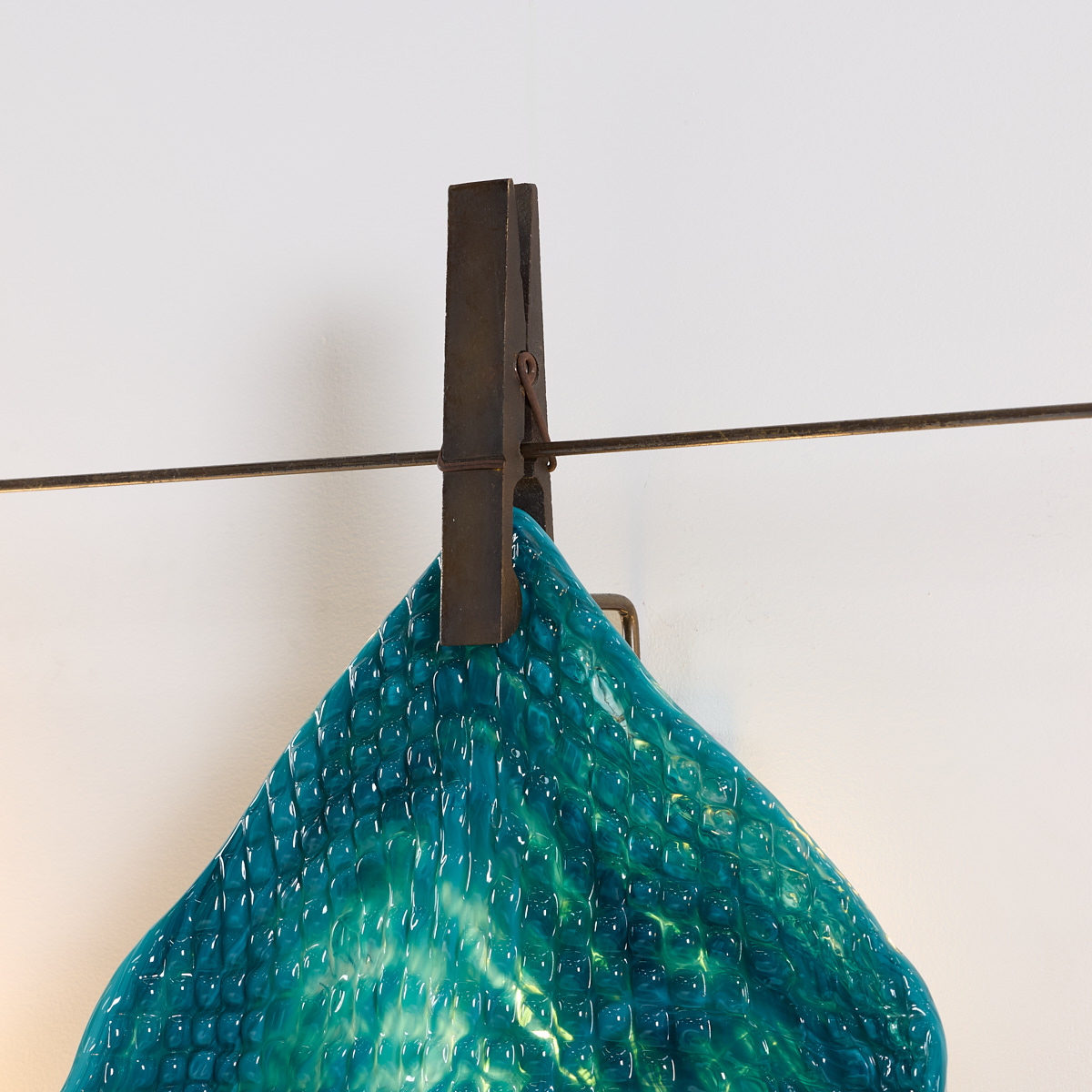
The shades, shaped in irregular and coloured glass, appear to fold and drape like fabric. Suspended from a metal structure by bronze clips, they directly evoke laundry hanging in the streets and narrow alleyways of Italy. Pesce transforms this simple, everyday domestic gesture into a precious and technically demanding material, turning the suspended garment into a luminous and sculptural object.

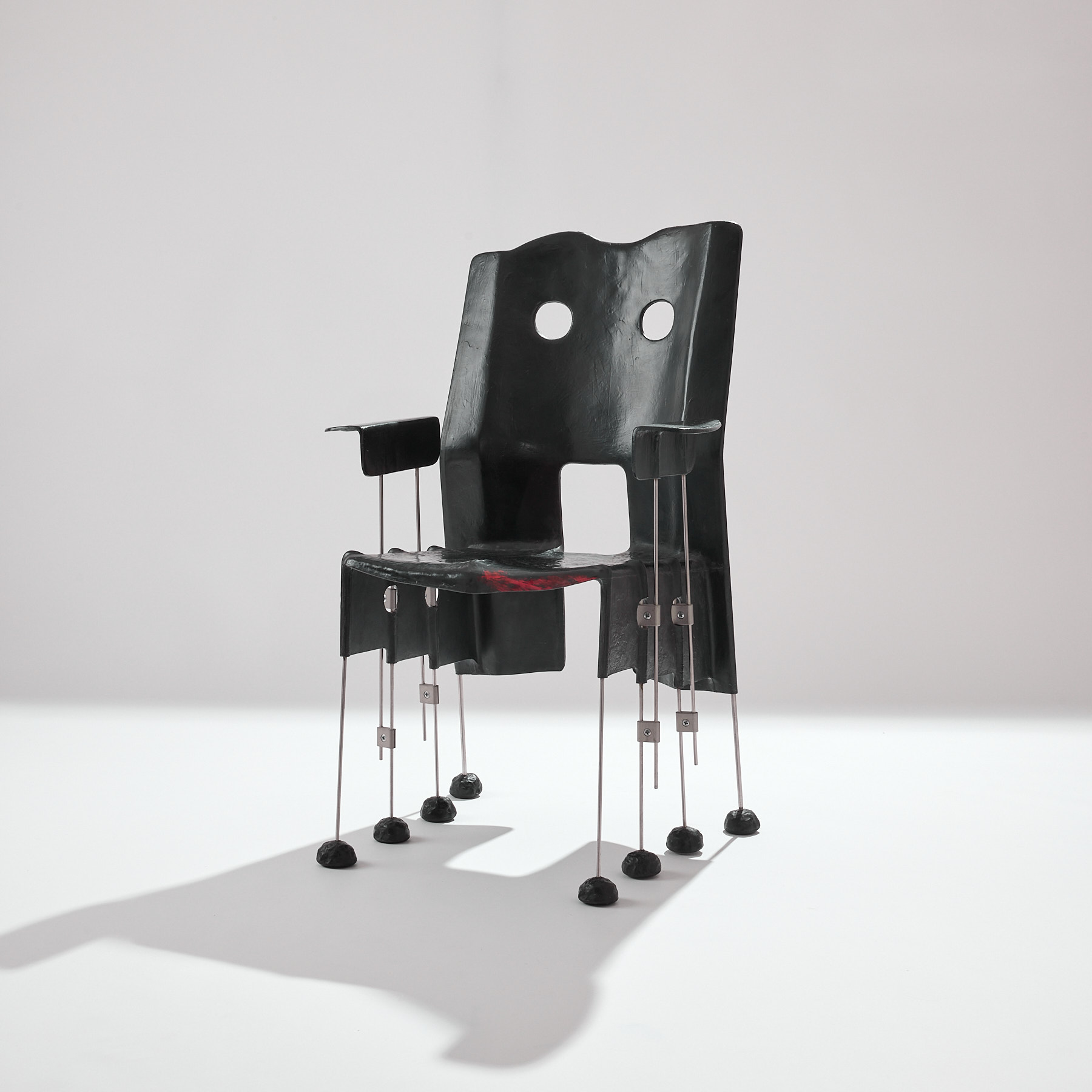
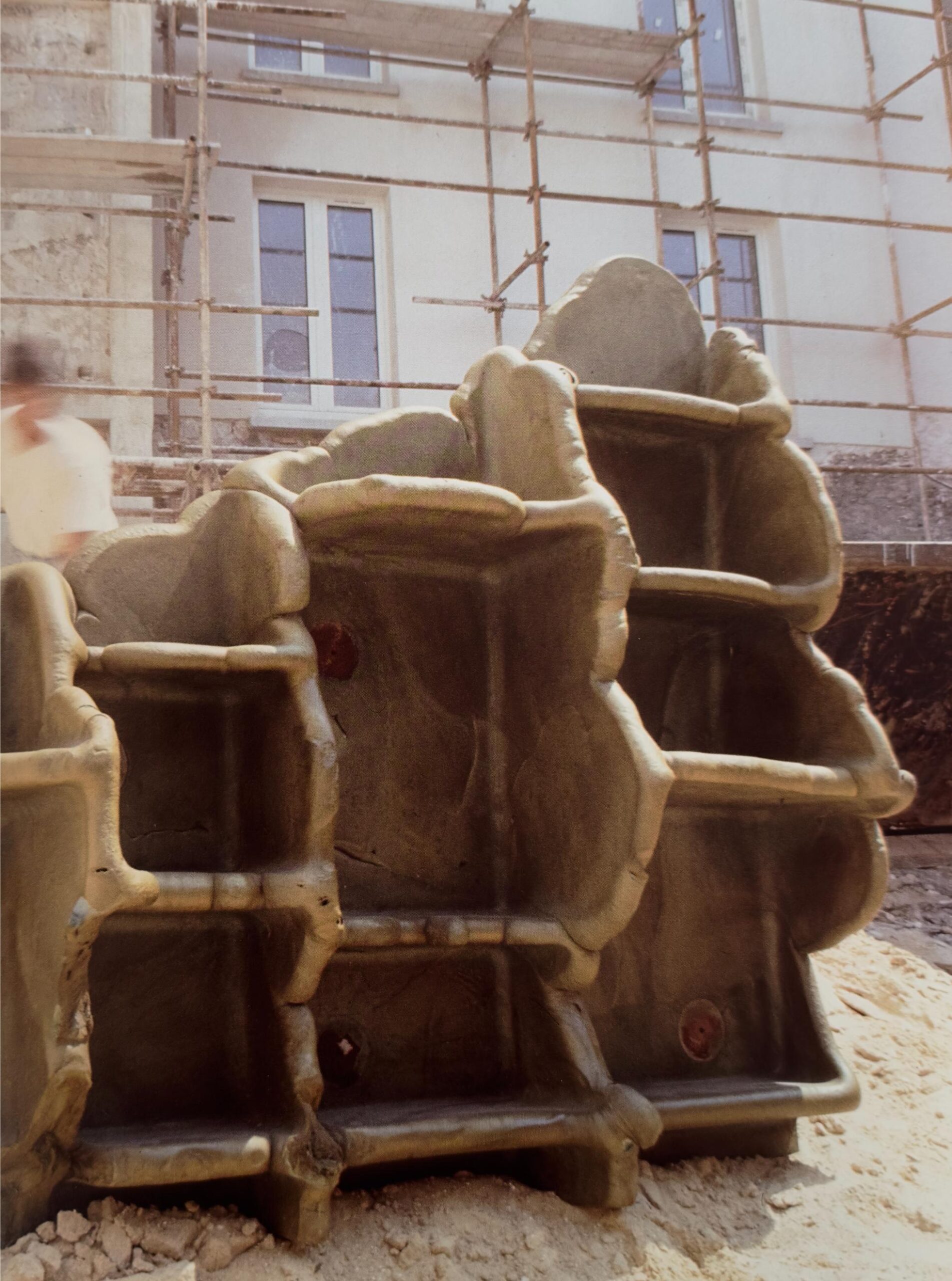
This exploration also echoes another major experiment by Pesce: the Golgotha seating, created in 1972-1973. Made from fiberglass fabric impregnated with polyester resin, these seats were hardened in order to preserve a draped form, different for each example. The material thus appears to have frozen the movement of a piece of fabric. With the Canovacci, Pesce transposes this same idea into glass: he seeks to move beyond its apparent rigidity, giving it the visual suppleness and fluidity of fabric.

The Canovacci embody this approach precisely: going beyond the conventions of glass without ever denying its properties, and transforming its technical constraints into formal qualities.

Pesce thus continues a fundamental line of inquiry throughout his work: a vision of design that rejects industrial perfection and geometric regularity in favour of accident, deformation, and gesture. In the Canovacci, glass is no longer simply a material used to diffuse light. It becomes a material that appears supple, almost textile-like, capable of retaining the memory of a movement.

Produced in small series, the Canovacci are now among Gaetano Pesce’s rarest glass creations. Their presence at Pulp Galerie offers an opportunity to rediscover this singular exploration, which began as early as the 1970s with his drawings of suspended garments and was pushed, through his collaboration with Venini, towards a radical experimentation with Murano glass.

Read the other focus

El
Liston,
Square lamp

The
Pratt
chair

The
Broadway
series

Nobody’s
Perfect
series

The
Pompidou
Cabinets

Pesce’s
Tables

Pesce
at the
C.I.R.V.A

Architect
Before
Designer

The Doors of
Chiat\Day

Chiat\Day:
the rise of
the flex office

Greene
Street chair

Gaetano Pesce
& VIA